


Peak Sun Hours in Chandler AZ: Right-Sizing Your Solar System in APS or SRP Territory

What are the peak sun hours in Chandler AZ for solar system sizing?
Chandler AZ averages 5.5 to 6.0 peak sun hours per day on an annual basis, with summer months pushing that number closer to 6.5 and winter dipping toward 5.0. For context, a peak sun hour is not just any hour of daylight. It is one hour of sunlight at an intensity of 1,000 watts per square meter, the standardized benchmark used to calculate how much energy a solar panel will actually produce at your address. A 400-watt panel in Chandler generates roughly 400 watt-hours during each peak sun hour, before any system losses.
That 5.5 to 6.0 range puts Chandler among the best solar climates in the country. For comparison, Seattle averages around 3.5 peak sun hours per day and Chicago sits closer to 4.0. Arizona's combination of low humidity, high elevation, and reliable sun patterns is why the state consistently produces more solar energy per installed watt than almost anywhere else in the US.

How do you calculate your solar system size using Chandler's peak sun hours?
The formula is straightforward: divide your daily electricity usage in kilowatt-hours by the local peak sun hours, then divide again by a system derating factor to account for real-world losses. That derating factor covers inverter efficiency, wiring losses, panel soiling, and temperature-related output drops, and it typically lands between 0.75 and 0.80 for a well-designed Arizona system.
Here is how that works for a Chandler household using 60 kilowatt-hours per day, which is realistic during a Phoenix Valley summer when air conditioning runs hard. At 5.8 peak sun hours and a derating factor of 0.78, the target system size is 60 divided by 5.8 divided by 0.78, which comes to roughly 13.3 kilowatts DC. A quality installer might round up to a 14 kW system to give you a small buffer for the hottest months.
Your monthly APS or SRP bill shows your total kilowatt-hours consumed. Divide that number by 30 to get your daily average, then run it through the formula above. If you want the Solar Calculator to crunch these numbers with your actual utility rate applied, that tool does the work automatically once you enter your zip code and average bill.
One thing that changes the math is whether you plan to add a battery. If you are sizing for battery backup, many homeowners size slightly larger, around 10 to 15 percent above the baseline formula, to ensure the battery fills completely on even the cloudiest stretch of winter days.
Why does your Chandler utility territory change how you should size your solar system?
Chandler straddles the service areas of both APS and SRP, with the boundary running through the middle of the city. Which utility serves your specific address depends on your neighborhood, not your city, and the two utilities pay very differently for the solar power you export to the grid. That difference matters a lot when you are deciding how big a system to install.
Check a recent electric bill to confirm your utility. The logo and rate plan name at the top tell you which company you pay, and that single piece of information can shift your optimal system size by thousands of watts.
How does the APS export rate affect sizing for Chandler homeowners?
APS customers currently receive around 6.85 cents per kilowatt-hour for excess solar generation exported to the grid under the Residential Compensation Plan rider, with that rate locked in for 10 years once you sign up. That export rate is meaningful but still well below the retail rate APS charges you to buy power, which runs roughly 12.8 cents per kilowatt-hour on average across the day.
Because exporting power to APS pays less than self-consuming it, APS homeowners generally benefit from sizing their system close to their actual consumption rather than aggressively oversizing. A system that produces exactly what you use captures most of the savings at the retail rate. A system sized to produce far more than you use will push the excess out at the lower export rate, which dilutes the return. The sweet spot for most APS Chandler households is a system that covers 90 to 100 percent of annual consumption.
For more detail on how APS structures solar compensation in 2026, the post on APS vs SRP solar export rates breaks down the exact numbers side by side.
How does the SRP export rate affect sizing for Chandler solar customers?
SRP pays considerably less for exported power, currently 3.45 cents per kilowatt-hour as a fixed credit applied at the end of each billing cycle. At that rate, oversizing a system on SRP territory is actively counterproductive. You invest more money in panels, and the excess generation earns credit at barely a quarter of what you pay to buy power back.
SRP customers in Chandler are better served by a system sized conservatively to roughly 80 to 90 percent of annual usage, ensuring the vast majority of solar production is consumed on-site. SRP also applies demand charges for solar customers on some rate plans, based on your highest 30-minute interval of grid consumption each month. An experienced installer familiar with SRP rate structures will factor that into the design, sometimes recommending battery storage to shave peak demand rather than simply adding more panels.
The Solar Calculator includes a utility selector so you can model both scenarios with your own usage numbers before committing to a system size.

How much can solar actually reduce your electric bill in Chandler AZ?
The savings depend on how closely the system is sized to your load, your utility, and your rate plan, but the numbers in Chandler are compelling. A well-sized system for an APS customer paying roughly 12.8 cents per kilowatt-hour can eliminate 80 to 95 percent of the annual electricity bill once the system is running at full production. At current APS rates, which may climb further given a proposed 16 percent residential rate increase filed with regulators in 2026, locking in solar now protects against future rate hikes for the 25-year life of the system.
For an SRP customer paying an average blended rate near 11.9 cents per kilowatt-hour, a conservatively sized system that maximizes self-consumption can still cut the annual bill by 70 to 85 percent. SRP's demand charge structure means savings are less linear than with APS, but households with predictable daily routines and low peak demand intervals often come close to eliminating their bill entirely.
Arizona's 300-plus days of sunshine and Chandler's consistent sun hours make the payback period shorter here than in most of the country. A typical 10 to 14 kilowatt system in Chandler pays itself back within 7 to 9 years, then generates free electricity for the remaining 15-plus years of its rated life.
How do peak sun hours and system sizing work in nearby Phoenix Valley cities?
Chandler's solar resource is shared across the East Valley, and the same sizing logic applies to neighboring communities. Gilbert, which sits just east of Chandler and is served primarily by SRP in most neighborhoods, sees nearly identical peak sun hours. A Gilbert homeowner on SRP follows the same conservative sizing strategy, targeting roughly 80 to 90 percent of annual consumption to keep export generation minimal.
Mesa, which borders Chandler to the north, is also split between APS and SRP territory depending on the neighborhood. The right-sizing principles are the same: confirm your utility, use the formula, and let the export rate guide whether you stay at consumption parity or leave a small buffer below it. For a deeper look at how Mesa homeowners navigate the utility split, the post Going Solar in Mesa AZ covers the permit process and utility territory details.
Tempe runs primarily APS service in most neighborhoods and sits just north of Chandler. Tempe homeowners on APS can generally size more aggressively than their SRP-served neighbors, capturing more consumption at the higher retail credit rate. Scottsdale, to the northeast, is almost entirely APS territory and benefits from strong peak sun hours similar to Chandler's range.
If you live anywhere in the East Valley, confirming your utility before finalizing a system quote is not optional. A quote designed for the wrong utility can leave significant money on the table, either by oversizing on SRP or undersizing on APS.
What is the best way to go solar in Chandler without paying full price?
The prepaid solar lease is the most accessible way for Chandler homeowners to go solar at a 30 percent discount compared to the outright purchase price, without taking on a loan. Under this structure, you pay one flat amount upfront for the full lease term, and the leasing company claims the 48E commercial clean energy credit, passing those savings to you as a lower prepaid price. That 30 percent discount is available now in 2026, with the 48E credit running through 2027 for leased systems.
This matters especially for homeowners who looked at solar in 2025 or earlier and were counting on the Section 25D residential tax credit. That credit expired for owner-purchased systems after December 31, 2025. If you missed it, the prepaid lease path still delivers the same effective 30 percent discount through the lease structure, with no tax liability on your end. As always, consult a tax professional for advice specific to your situation, since this is not tax advice.
Phoenix Valley Solar works as a solar broker, not an installer. That means we gather competing bids from vetted Arizona installers so you can compare pricing, equipment, and warranty terms without fielding calls from a dozen sales teams. Chandler homeowners who want to understand what the prepaid lease looks like for their specific system size and address can contact us for a no-pressure quote comparison.
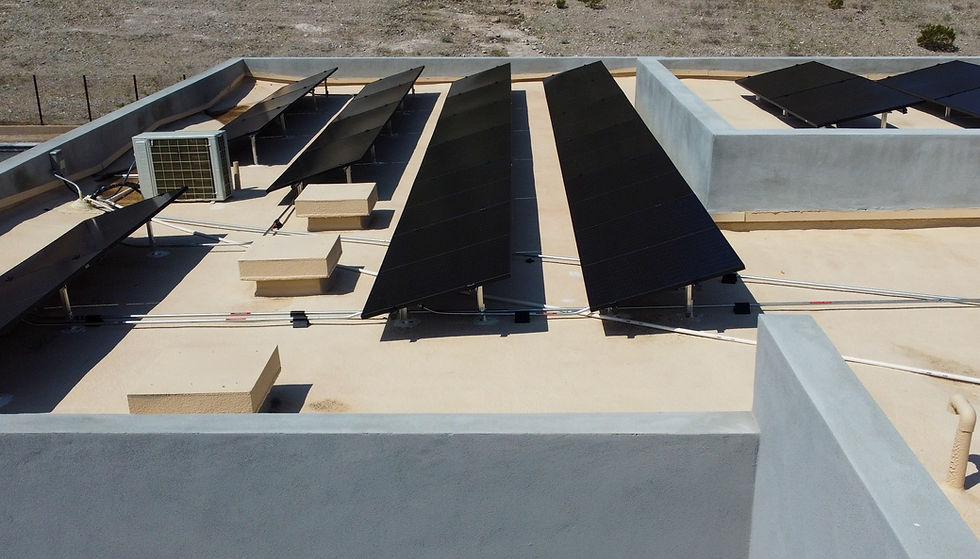
How does Chandler's solar climate compare to the rest of Arizona for ROI?
Chandler's 5.5 to 6.0 peak sun hours puts it in the upper tier of the Phoenix metro, slightly below central Phoenix's 6.5 to 7.2 range but well above what most US cities see. Within Maricopa County, the difference between a 5.5-peak-sun-hour city and a 6.5-peak-sun-hour city translates to roughly 15 to 18 percent more annual energy production on the same system, which directly affects payback period and lifetime savings.
For a 13-kilowatt system in Chandler, the difference between a conservative 5.5 peak-sun-hour calculation and a more optimistic 6.0 figure is about 2,000 kilowatt-hours per year in expected production. At 12.8 cents per kilowatt-hour, that difference is worth around $256 annually. Over 25 years, sizing assumptions matter. Using data from an actual sun-hour database rather than marketing estimates is worth the extra five minutes.
The Scottsdale peak sun hours post walks through the same sizing methodology for a city with a slightly different sun profile, useful if you are comparing across East Valley cities for investment properties or comparing quotes from different addresses.
Frequently Asked Questions
How many peak sun hours does Chandler AZ get for solar?
Chandler AZ averages 5.5 to 6.0 peak sun hours per day annually, with summer peaks near 6.5 and winter lows around 5.0. This is among the highest solar resource levels in the US, making Chandler one of the best locations for residential solar return on investment.
How do I calculate the solar system size I need in Chandler?
Divide your daily kilowatt-hour usage by local peak sun hours (use 5.8 as an annual average for Chandler), then divide by a derating factor of 0.78. For example, a household using 60 kWh per day needs roughly a 13.3 kW system. Your utility and export rate then determine whether to size up or down from that baseline.
Does it matter whether I am on APS or SRP when sizing my Chandler solar system?
Yes, significantly. APS pays around 6.85 cents per kWh for exported solar, so sizing near 100 percent of consumption makes sense. SRP pays only 3.45 cents per kWh for exports, making oversizing counterproductive. Check your bill to confirm your utility before finalizing any system quote.
Can I still get the 30 percent solar discount in 2026 without the federal tax credit?
Yes. The Section 25D residential credit expired after 2025 for owned systems, but the prepaid solar lease structure lets the leasing company claim the 48E commercial credit and pass that 30 percent discount to you upfront. This is not tax advice; consult a tax professional for your situation.
What is the payback period for solar in Chandler AZ?
A well-sized Chandler solar system typically pays back in 7 to 9 years, depending on your utility, system size, and current rate plan. After payback, the system generates free electricity for the remaining 15-plus years of its rated life, with APS and SRP rate increases adding to long-term savings.


Comments